
Training with Scoring Tech
Fundamentals, applied fast.
Our courses stack fundamentals. Expect no “gee whiz.” It's the basics, applied quickly to perfection, and measured every time so you can see the impact.
Courses
Five courses. Or one built for you.
Pick a course, or tell us what your mission needs. We can spin up custom courses quickly. Every course includes the pre and post assessment and full reporting on the course, students, and if instructors their students after they apply what they learn.
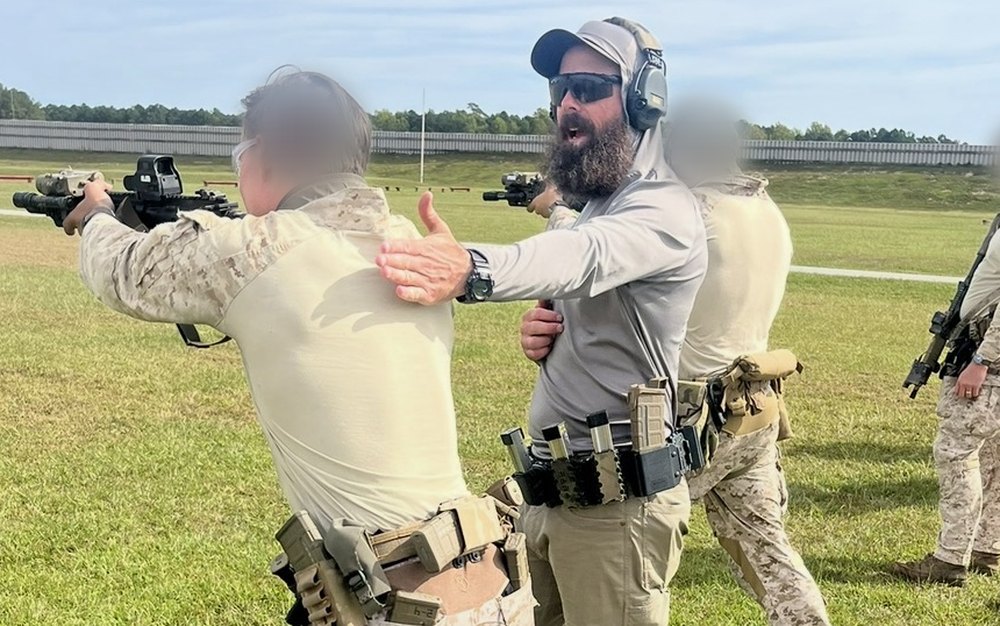
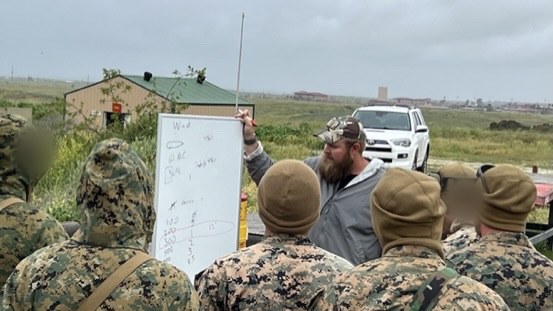
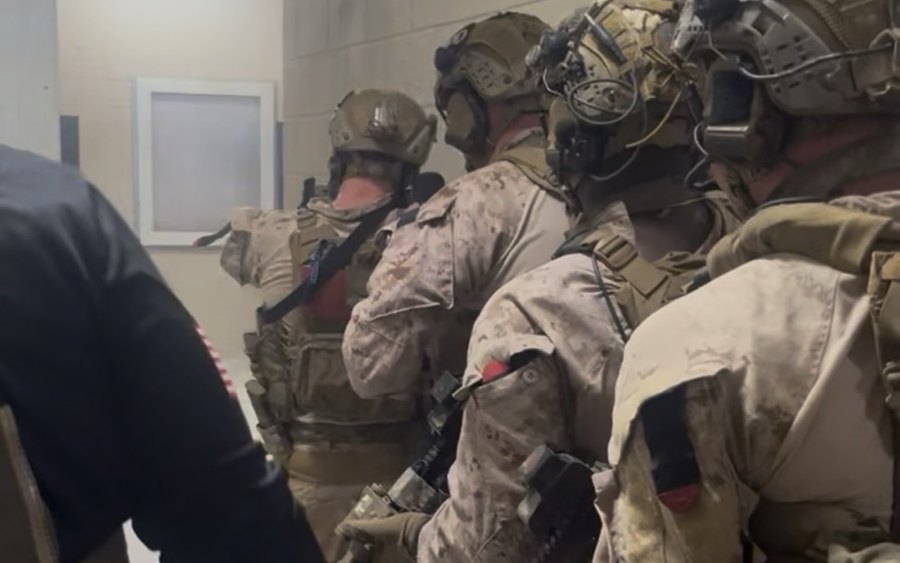
Built around your mission
Don't see your mission here? We can spin up a custom course quickly. Tell us the role, the team and what “good” looks like.
The JMAP cycle
Training is one turn of the loop.
It's a loop, not a one-off. We measure first, train to what the data shows, measure again, and go around again. Your people get better every time around. If we train your instructors we measure them AND THEIR STUDENTS (or students of students). Then feed it back to always improve.
Assessment design
Cognitive and marksmanship experts work with your subject-matter experts to design assessments for marksmanship roles, units, equipment and systems.
Efficient data capture
Place the assessment in JMAP and run test assessments for efficiency and accuracy.
Data science and interpretation
PhD data scientists, guided by marksmanship experts, give you detailed outcome analysis.
Doctrine and instructor development
Data and marksmanship experts design and test doctrine and training changes with your instructor cadres.
Implement at scale
Training experts help your cadre make the changes.
-
Assessment design
Cognitive and marksmanship experts work with your subject-matter experts to design assessments for marksmanship roles, units, equipment and systems.
-
Efficient data capture
Place the assessment in JMAP and run test assessments for efficiency and accuracy.
-
Data science and interpretation
PhD data scientists, guided by marksmanship experts, give you detailed outcome analysis.
-
Doctrine and instructor development
Data and marksmanship experts design and test doctrine and training changes with your instructor cadres.
-
Implement at scale
Training experts help your cadre make the changes.
We always measure
Pre and post, so you know the impact.
Every course is wrapped in an assessment. We measure before, train, then measure again with the same yardstick. You see what changed, not just how it felt.
- A pre assessment sets each student's baseline.
- The same assessment runs again after training.
- A data science deep dive on every training event.
- Every student and every unit gets a detailed report.
We measure our success through your students' success.
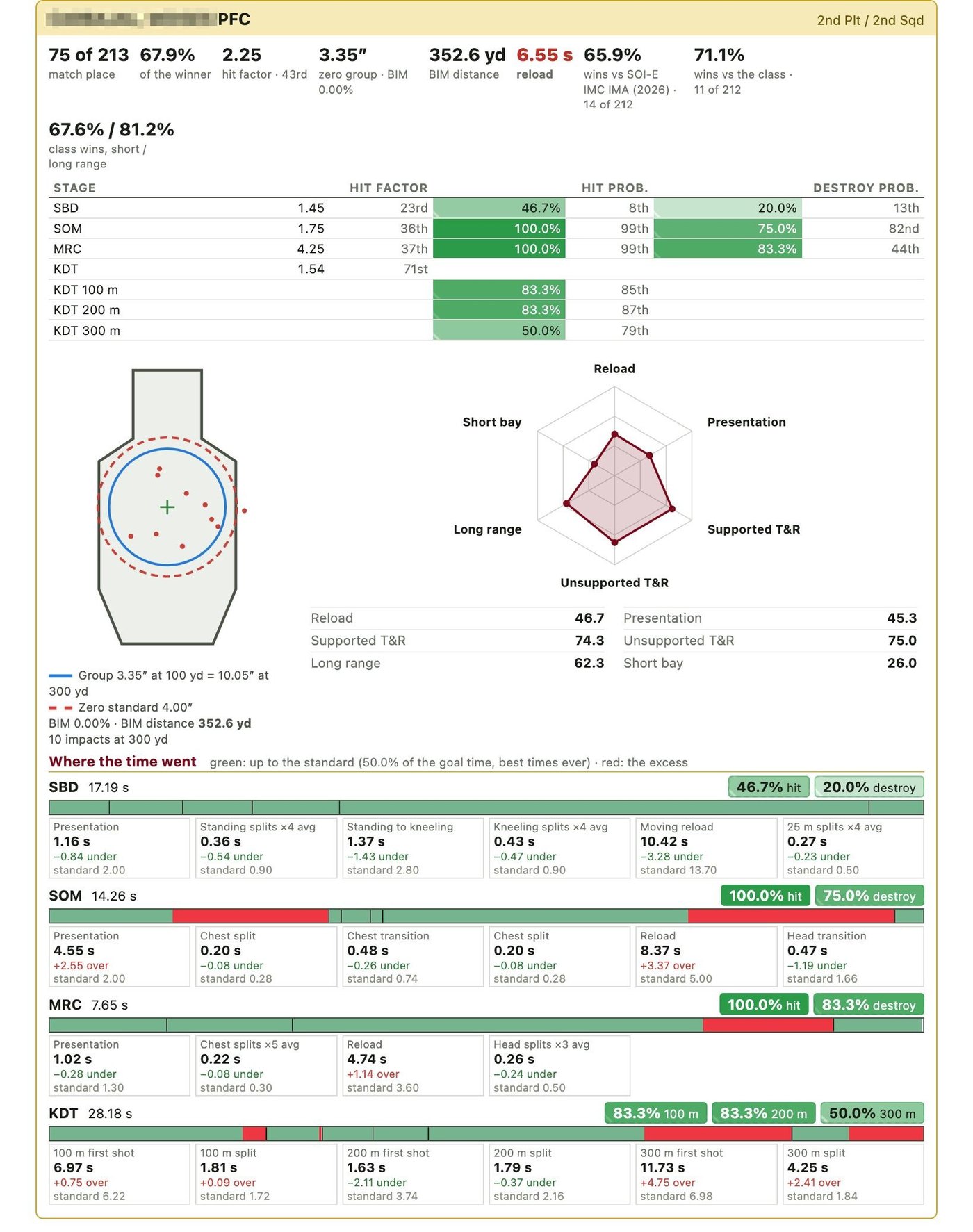
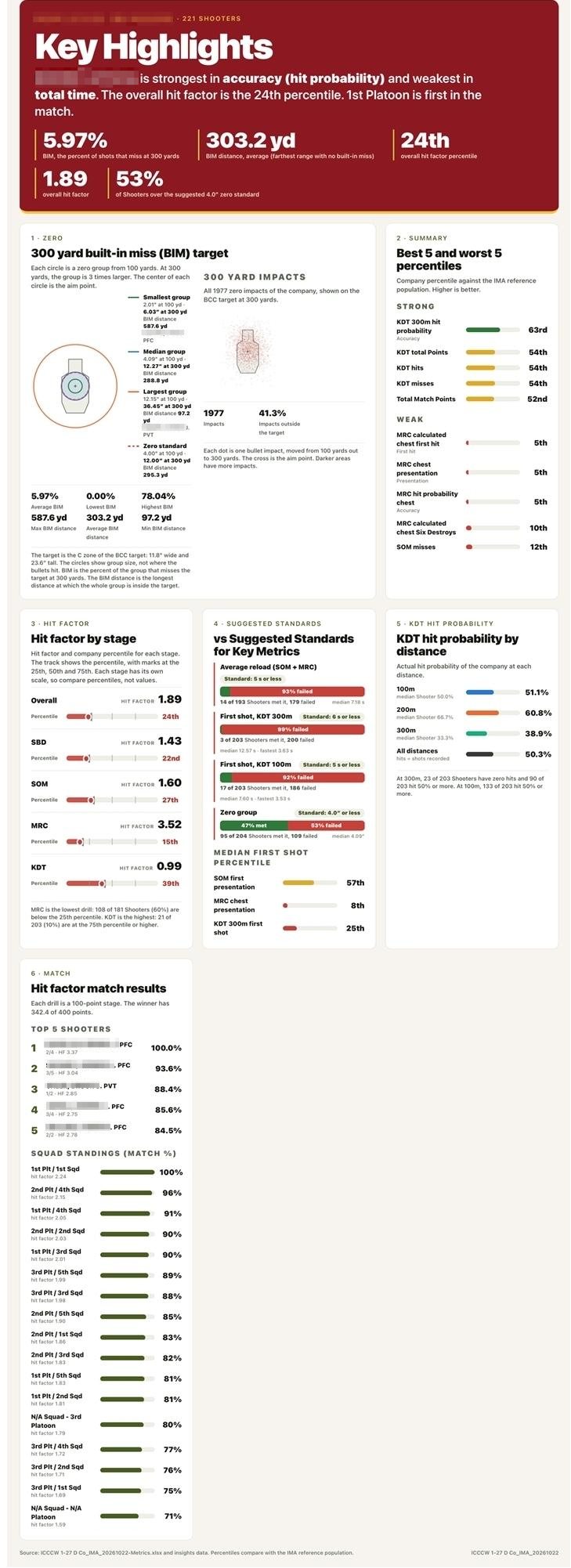
What kind of assessment?
Ways we measure training impact
Every student is measured before and after, on the same yardstick. Pick one of ours or we build yours.
Custom
We build one around your mission.
Existing, close to your mission
Start with one we already run that is close to your mission.
Agent Marksmanship Assessment
Built with the DEA for federal agent risks. Compare against real-world threats and the world's best.
Infantry Marksmanship Assessment
The way the USMC tests its infantry.
Precision Marksman Assessment
Designed by leaders of two sniper schools. Close to far to really far.
Special Forces Marksmanship Assessment
Pistol, rifle, or both. Built with the premier Special Forces schoolhouse.
What we capture
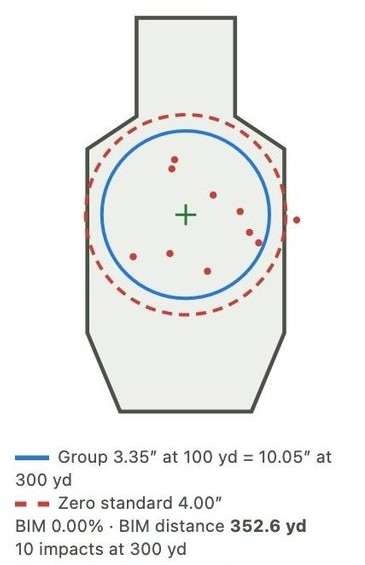
Beyond one class
Measuring impact at scale
We train your instructors. Then we measure their students, and their students' students. Every result feeds back into instructor training and doctrine development, so the next class starts from what the last one proved.
We maintain the largest marksmanship data warehouses in existence: PractiScore and JMAP.
Our data scientists
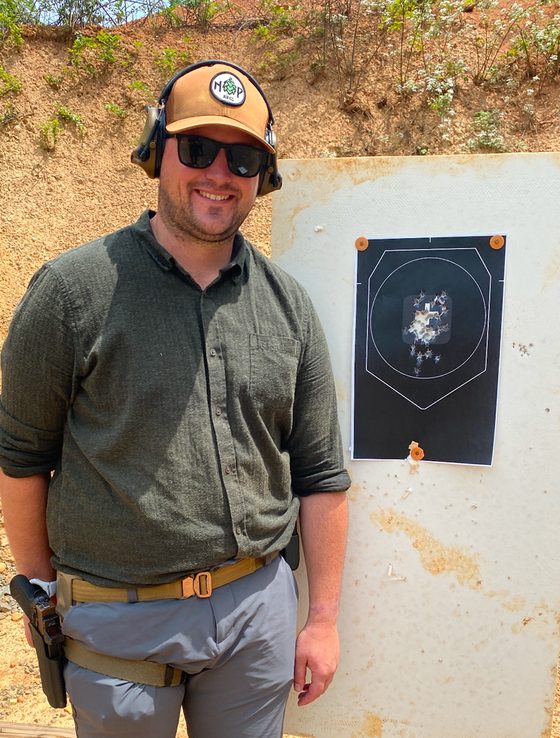
PhD, University of Toronto, in how people detect and act on visual information. Former lead scientist for marksmanship assessment at the Naval Health Research Center, where his work shaped the USMC Infantry Marksmanship Assessment. Published on assessment, analysis and training evaluation.
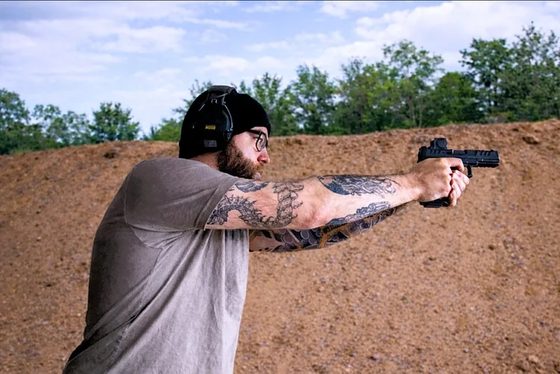
PhD, University of Notre Dame, in how stress affects decisions and memory. Applies that experimental rigor to marksmanship analytics, data collection and the detailed training reports our customers get.
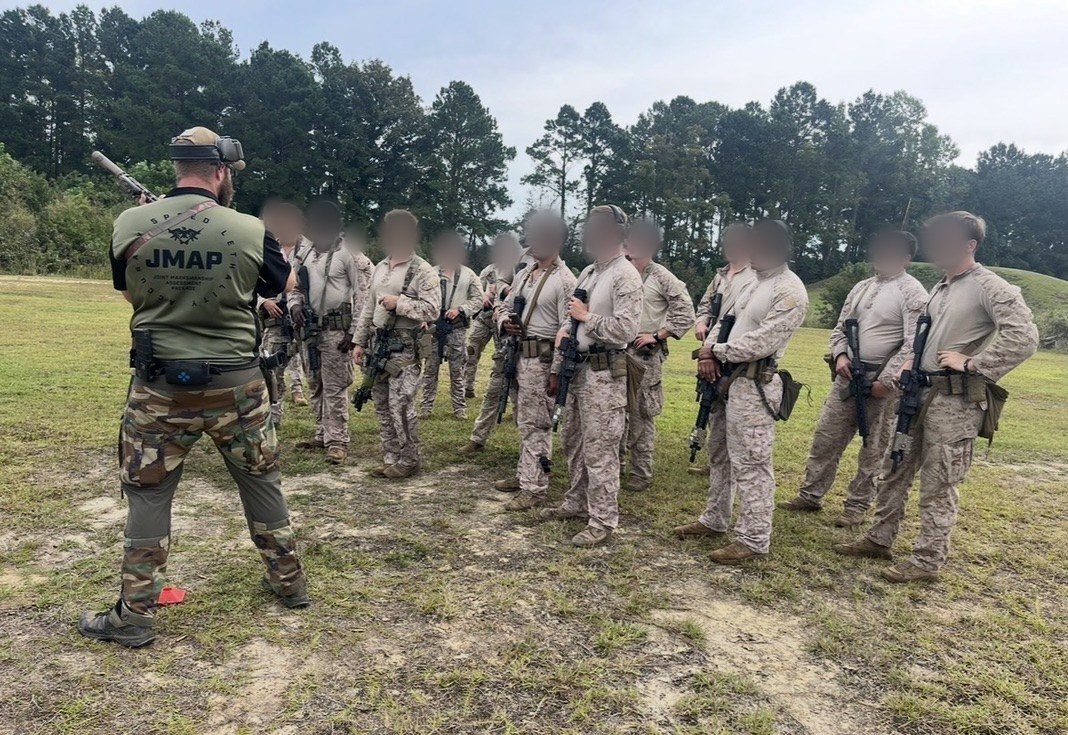
How we teach
No “gee whiz.” Just the basics, done to perfection.
Our courses stack fundamentals. Each one builds on the last, and each is applied quickly, on the clock, until it holds up. The result is shooters who get hits fast and keep getting them.
- Basics first. Nothing fancy, nothing wasted.
- Applied quickly. Speed and accuracy together, the way a real fight demands.
- Led by people who have done it & won it. National and world champions, sniper and infantry school lead instructors, and Tier 1 unit leaders and trainers.
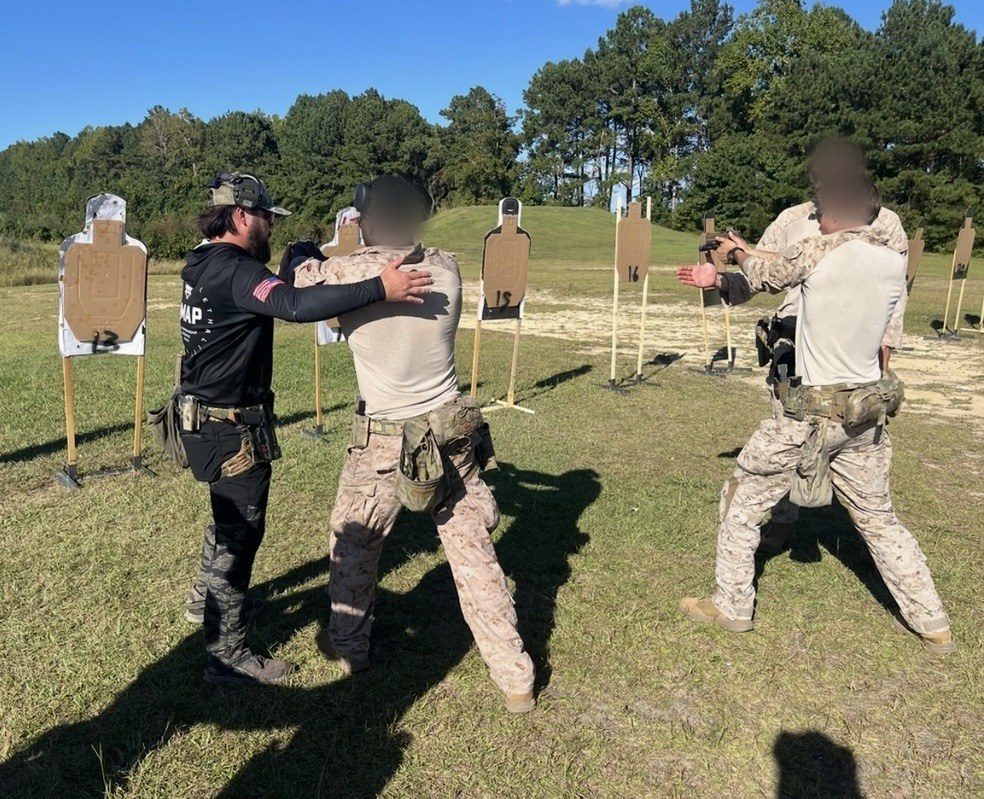
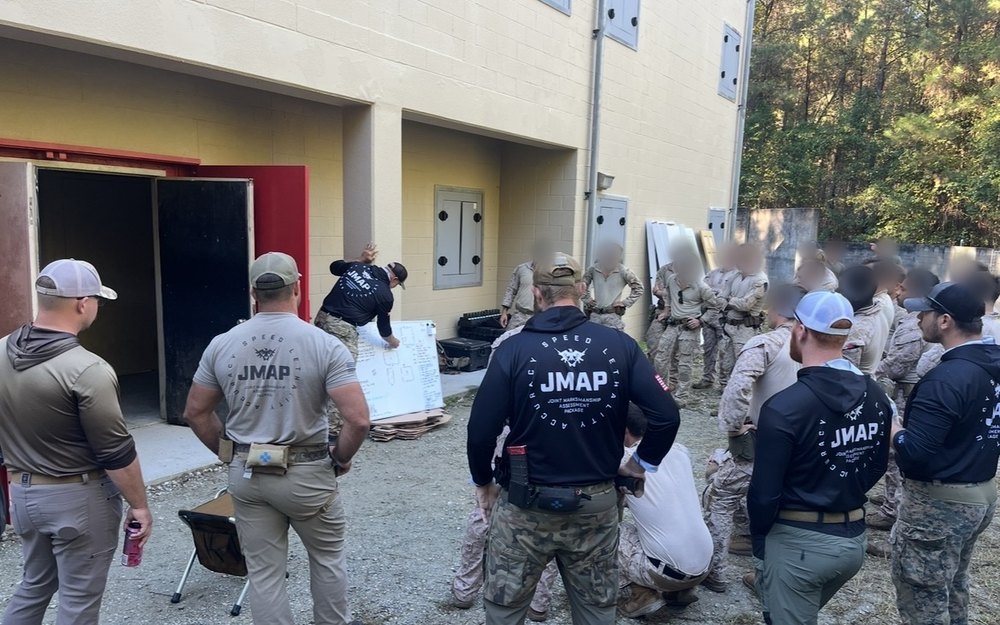
- Very high instructor to student ratio. Your people deserve attention!
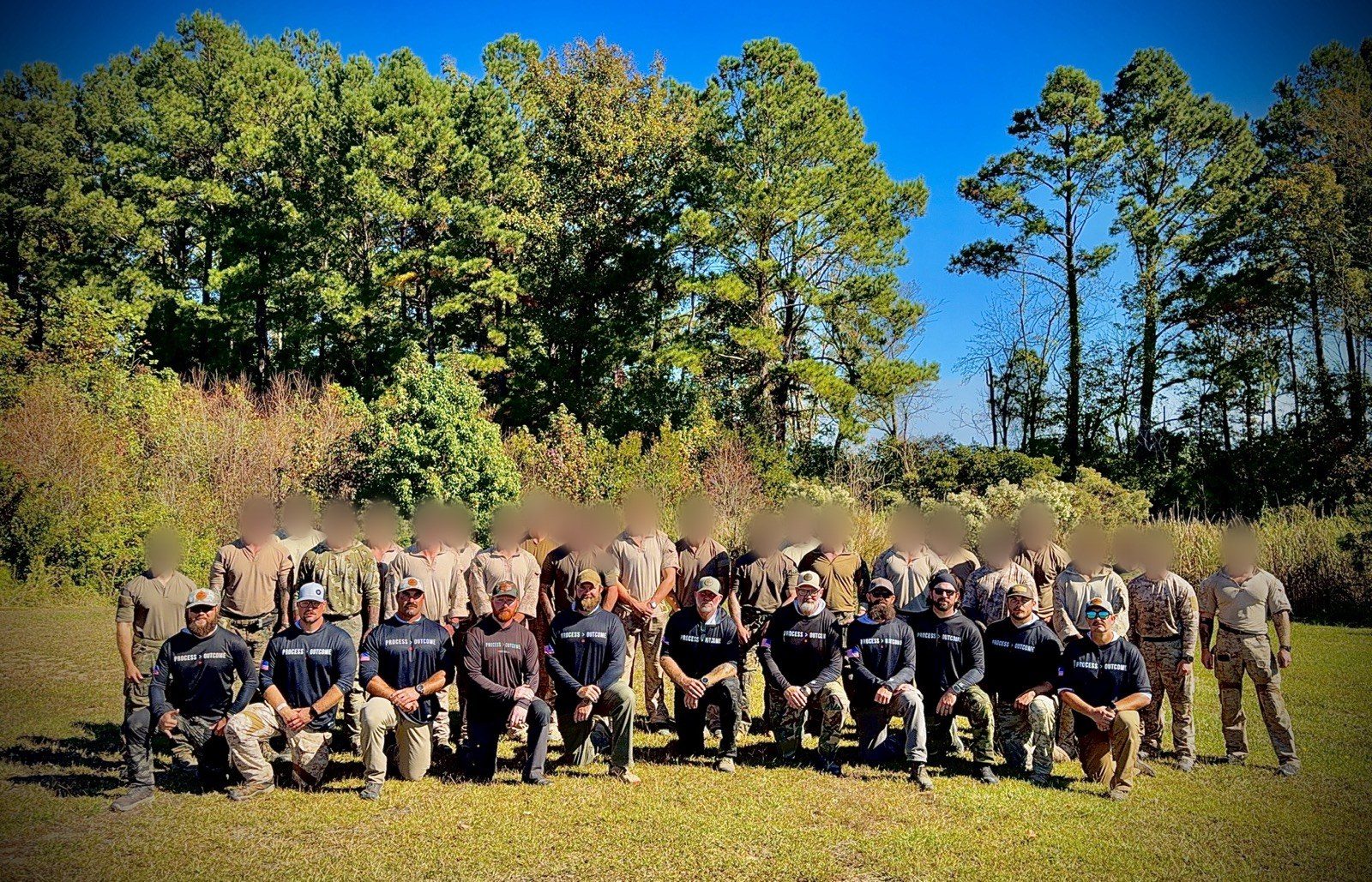
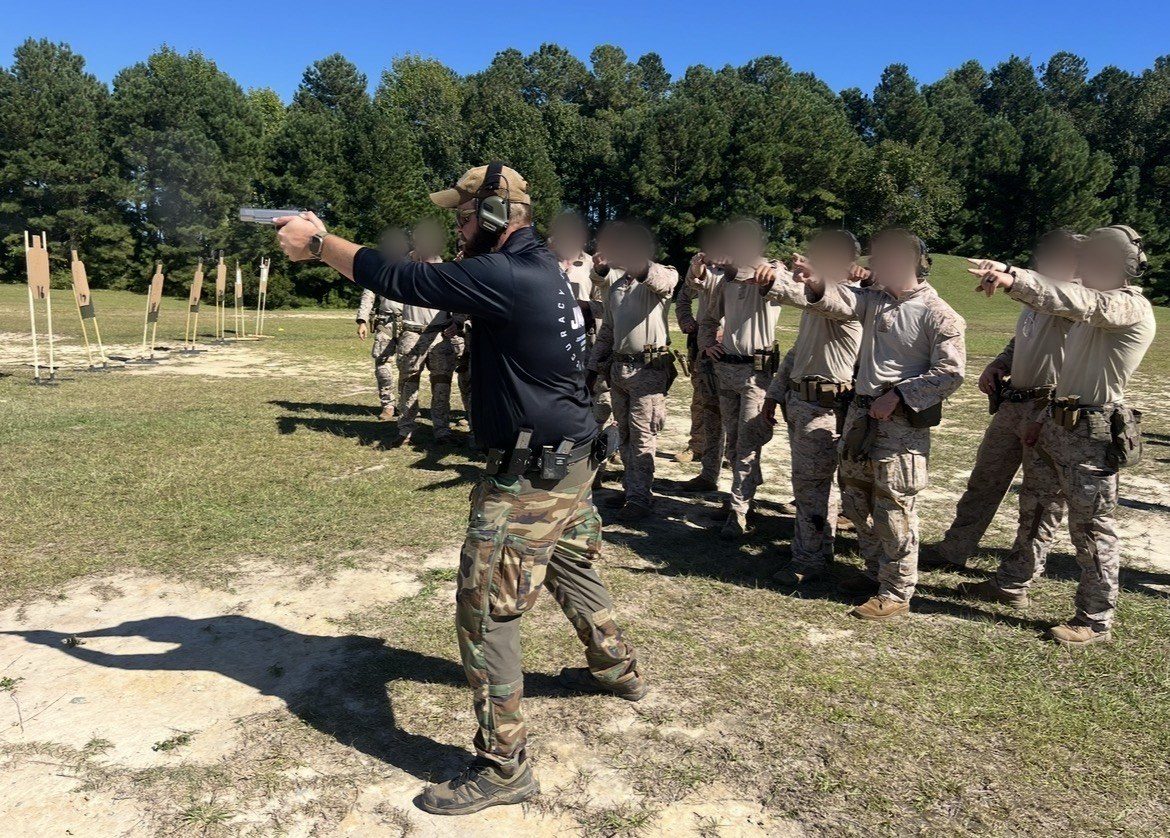
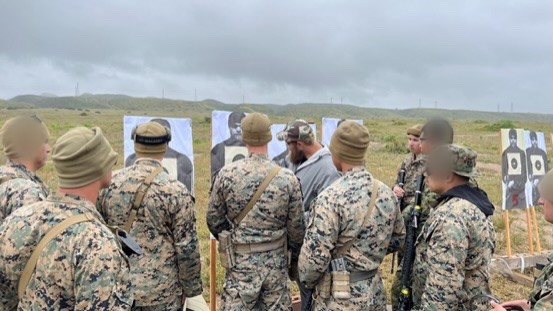
Scoring Tech instructors with a class of operators. Note the VERY high instructor to student ratio. That's how we roll - your people deserve attention.
About us
Proven winners and leaders.
We mix marksmanship excellence with tactical experience and relevance. Here is a sampling of our instructors. Each wins, has taught and impacted thousands, and has very relevant experience.
- Every instructor is a proven winner and leader.
- Our instructors have taught or impacted the marksmanship of tens of thousands of armed professionals.
- We invest in training ourselves and compete weekly, in local to national and international events.
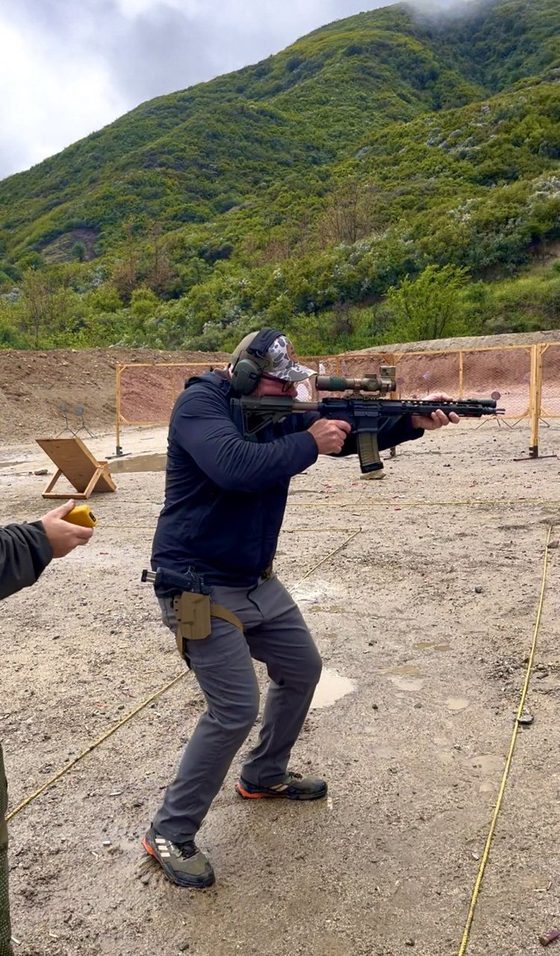
Retired CWO-4 Marine Gunner with 26 years of service. Decorated combat veteran, former Scout Sniper and Sniper Instructor. Won the 2016 Hulbert Trophy and the 2021 Marine Gunner Award for advancing combat marksmanship.
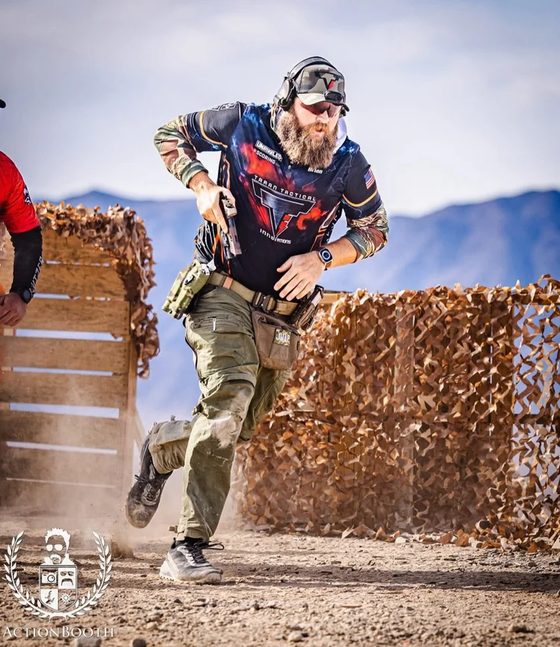
Five-time USPSA Grandmaster and member of the USA Rifle, Practical Shotgun and Pistol Caliber Carbine teams. Has instructed thousands of students and was an original AMTP/IMTP instructor.
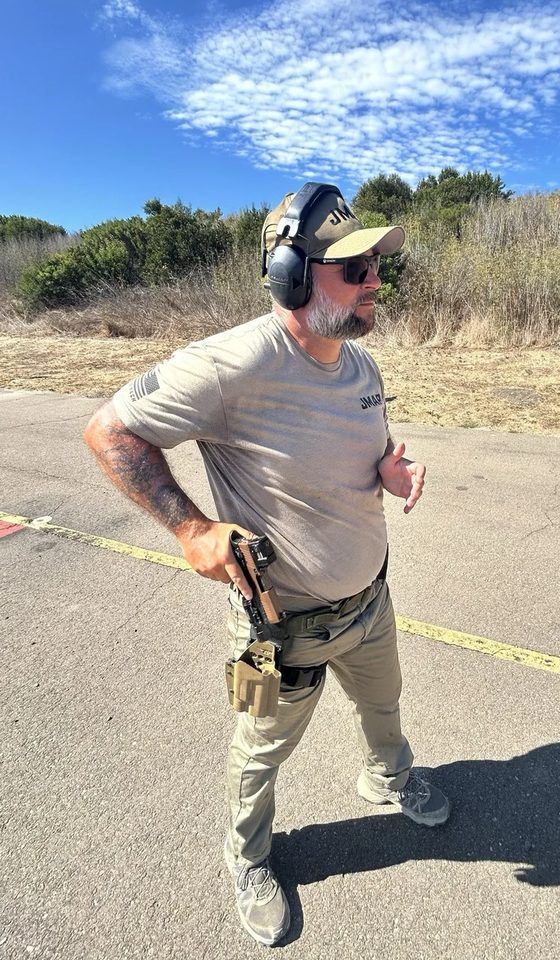
Retired USMC Master Sergeant, 22 years, 20 of them as a Reconnaissance Marine. Lead Patrolling Instructor at Basic Reconnaissance Course and a USMC Master Instructor.
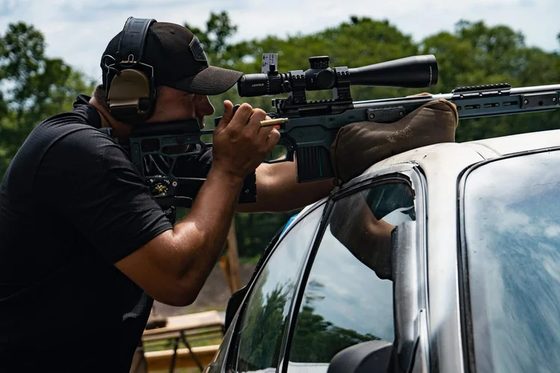
USMC Sergeant on the Marine Corps Shooting Team. Distinguished Rifleman and Distinguished Pistol Shot with national and international podiums. Winner of the 2026 Geissele Gas Gun Series.
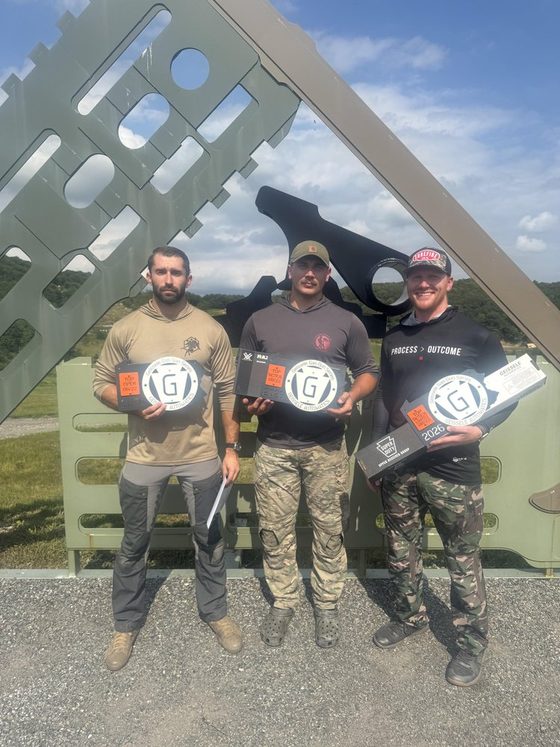
Former USMC Sergeant, 9 years active duty, and a member of the USMC Shooting Team. Rifle and Pistol Distinguished, and a competitor in Gas Gun, 3-Gun, PCSL, USPSA and IPSC.
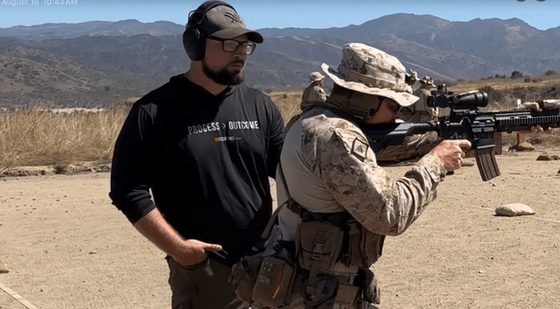
Former USMC Sergeant. SOI-East MCT lead marksmanship instructor and part of the original IMC and AMTP instructor groups. Has run dozens of IMA, RMA, AMTP and IMTP events.
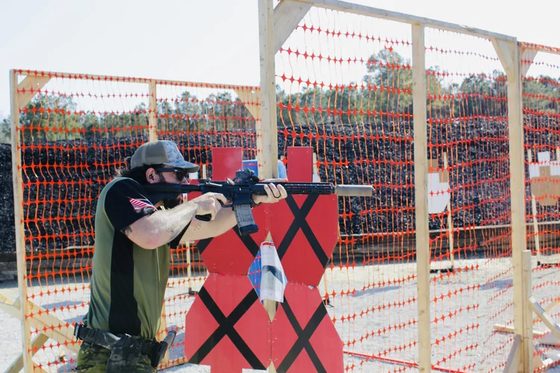
Former USMC Sergeant, 8 years active duty. Combat Marksmanship Coaches Course Chief and Certified Master Instructor. Leads our field support reps and competes in USPSA and PRS.
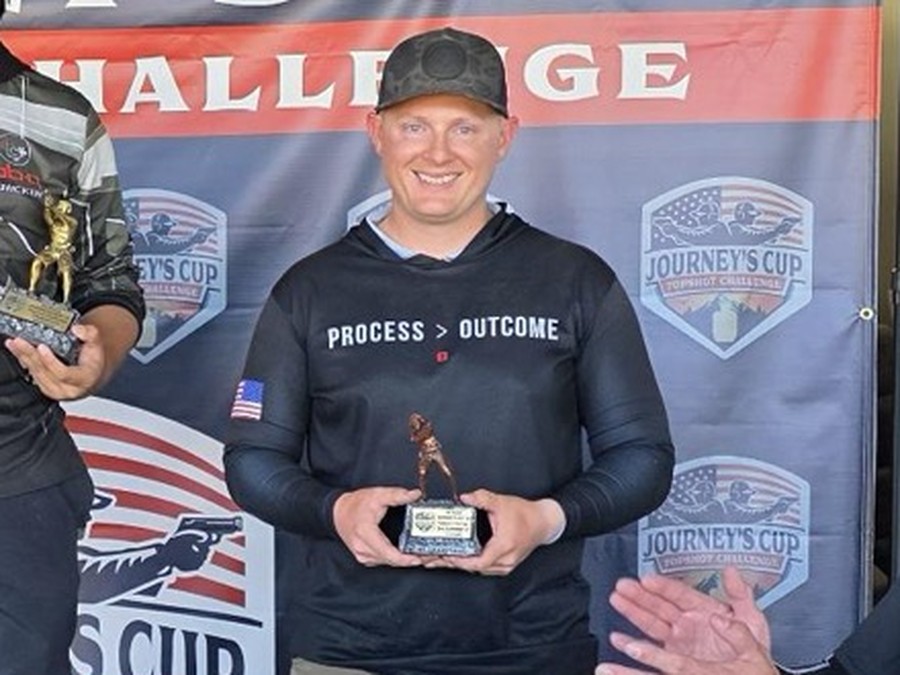
Former USMC Staff Sergeant, 10 years. AMTP Lead Instructor at SOI-West. His shooting packages trained over 10,000 infantry students and 200 instructors. Has managed 150+ IMA/RMA events.
Let's train your team.
Tell us your mission and your people. We'll talk through the course, or the custom one, that fits, with a pre and post assessment so you can see the result.
Open now, Mon to Fri, 8am to 5pm MT. You’ll speak with our CEO, COO, or DoD Liaison.
scoringtech.com
What helps us scope it
- Who you are training: role, unit or agency
- How many people, and whether they work as teams
- The weapons and distances that matter to your mission
- Where and roughly when you want to train
- What you qualify with today, if anything
What happens next
- You call or email. A short conversation with our CEO, COO, or DoD Liaison.
- We iterate with you to design exactly what you need.
- Run it.
- Data deep dive.
- Make changes.
- Repeat!